by Chris Logan
“Sometimes we try too hard to manufacture something that is so much richer when we just let it happen.”
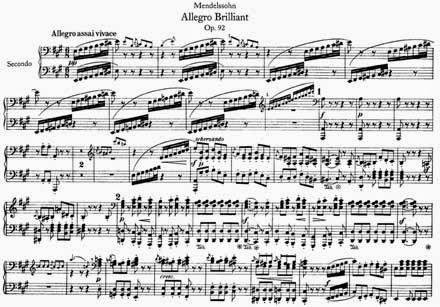 A friend of mine wrote this the other day, and it resonated with me. Much proverbial ink has …
by Chris Logan
“Sometimes we try too hard to manufacture something that is so much richer when we just let it happen.”
A friend of mine wrote this the other day, and it resonated with me. Much proverbial ink has …
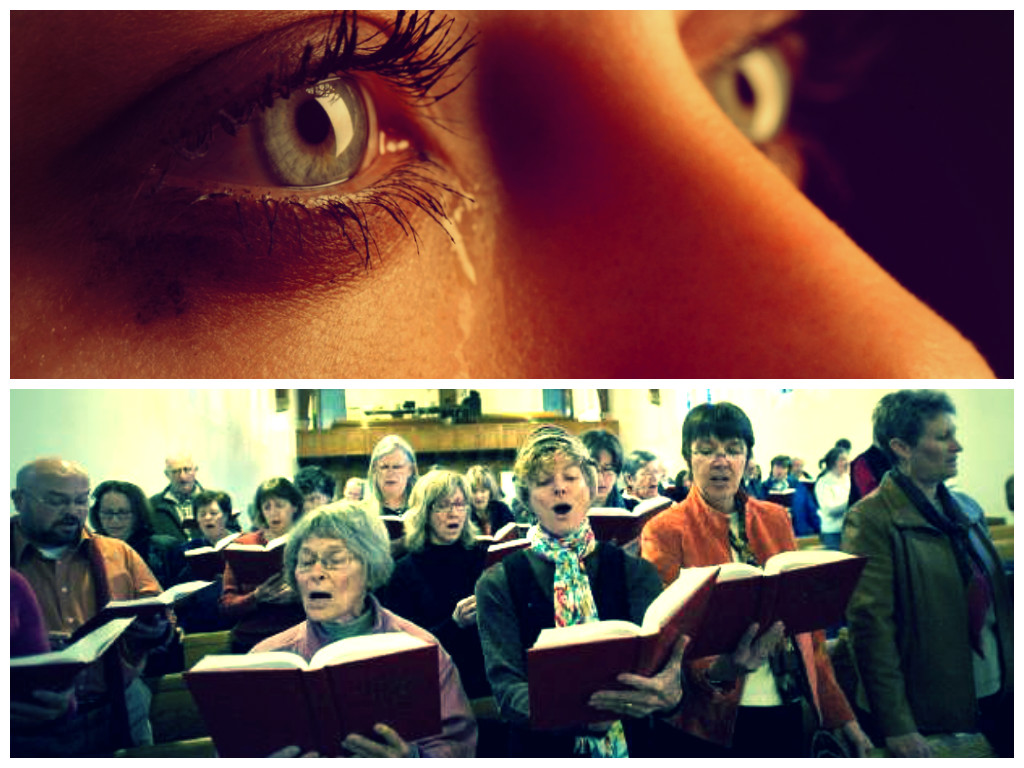
by Karen Lichlyter-Klein
I love music. I grew up as a musician and continue to sing as much as I can, though it is harder and harder to find places to do so. My mother is a composer, and she …
By Chris Logan
I’m going to level with you: I’m kind of a science nerd.

Shocking, I know. I grew up on “Reading Rainbow” and “Bill Nye the Science Guy” and “Ranger Rick” and pilfered copies of “Popular Science” (sorry …
 Today’s post is written by Chris Logan, Pastor of Worship Arts at Community Covenant Church in Lenexa, KS.
Have you ever considered how worship gatherings fit into the context of discipleship?
The connection is actually quite strong. To be honest, …
Today’s post is written by Chris Logan, Pastor of Worship Arts at Community Covenant Church in Lenexa, KS.
“And the one sitting on the throne said, ‘Look, I am making everything new!’ And then he said to me, ‘Write this
…
 Today’s post is written by Geoff Twigg, Adjunct Professor at North Park University in Chicago. Geoff is a pastor, singer/songwriter, worship leader and ministry consultant, and serves the ECC as a member of the denomination’s Commission on Worship.
Someone posted …
Today’s post is written by Jo Anne Taylor, Director of Music and Worship at Bethlehem Covenant Church in Minneapolis, MN.
During our weekly staff meeting, the senior pastor always asks, “What’s left over from last Sunday?”
 He asks this question …
Today’s post is written by Geoff Twigg, Adjunct Professor at North Park University in Chicago. Geoff is a pastor, singer/songwriter, worship leader and ministry consultant, and serves the ECC as a member of the denomination’s Commission on Worship.

I will …
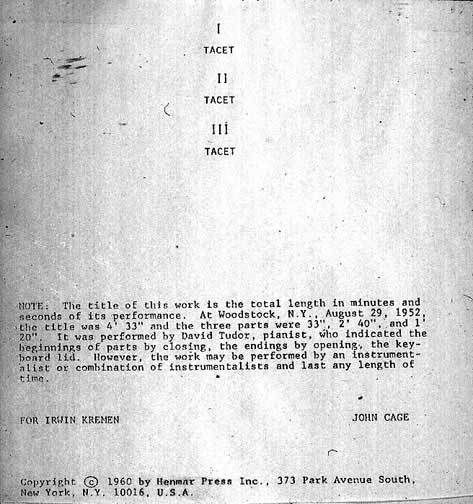 Today’s post is written by Geoff Twigg, Adjunct Professor at North Park University in Chicago. Geoff is a pastor, singer/songwriter, worship leader and ministry consultant, and serves the ECC as a member of the denomination’s Commission on Worship.
Last week, …
Today’s post is written by Jo Anne Taylor, Director of Music and Worship at Bethlehem Covenant Church in Minneapolis, MN.
This week marks the twenty-fifth time I have attended teacher workshops to begin a new school year. Over the years, …