Technical Arts

Making a Sound Investment

1 Comment » Written on June 10th, 2012     
Filed under: Technical Arts, Uncategorized

Today’s post is written by Geoff Twigg, Adjunct Professor at North Park University in Chicago. Geoff is a pastor, singer/songwriter, worship leader and ministry consultant, and serves the ECC as a member of the denomination’s Commission on Worship.

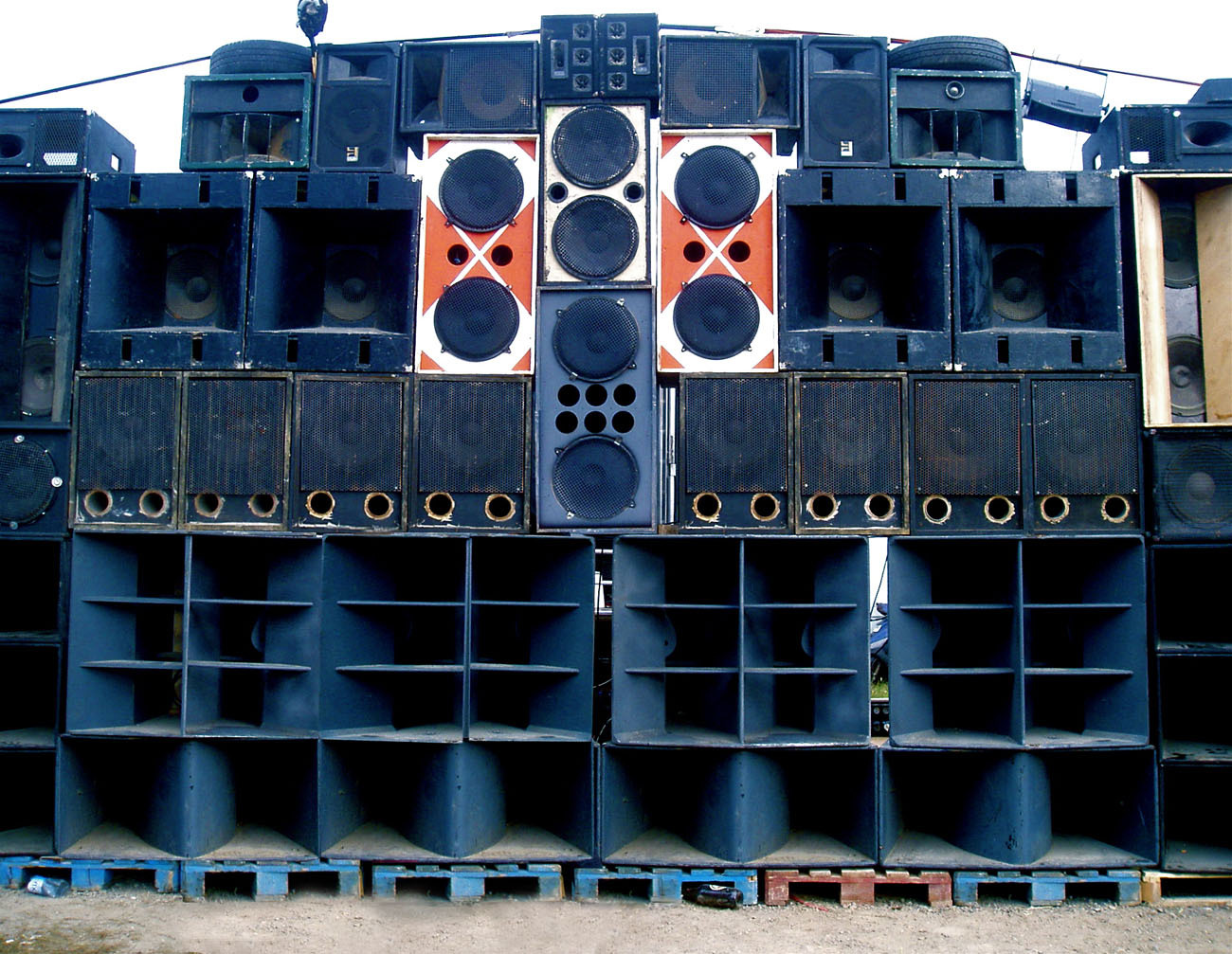
One of the most common questions that arises in discussions of our churches music and worship ministry is the matter of sound systems. I noticed a couple more conversations are under way in the Better Together Facebook group this week, and thought maybe it would be useful to write a few basic notes about the use of sound technology in our ministries. Please forgive me if this level of discussion is too basic, or if you have another philosophy in approaching the use of sound systems. Feel free to comment or criticize below.

There are at least three different ways of using sound technology in a live context. These might be described as follows.

1)     A Transparent system

2)     A Balancing system

3)     A Production system

Confusion between these uses, and the misunderstanding or misuse of one trying to make it do something else, are often the cause of disputes between us.

The Transparent system is really there because people can’t hear. Sometimes called sound enhancement, it’s designed to make sure that whatever speaking or music is being presented, it’s represented as faithfully as possible further away. Obviously you want microphones and speakers that are accurate – not ‘coloring’ the sound in a way that makes it noticeably amplified – and therefore good quality elements are necessary.

A subset of this found in some older churches is the “Speech-quality” system, which is a set of mics and speakers that focus on the characteristics of the spoken word. Some people try to use this kind of system for music but the results are always horrible.

A Balancing system is the solution when you have a loud instrument (organ, or drum set, for instance) and you need to get the other contributors to a similar volume. It’s only supposed to set things right, not to add effects. Use this to get a really cool “unplugged” texture to your music.

A Production system is the kind of system that becomes an ‘instrument’ in its own right. This is what many people want when they are trying to emulate the sound of popular recorded music; it can add effects and change the sound of instruments and voices. In the right hands, a production system is a wonderful thing, but you really have to know what you’re doing.

Much of the equipment that’s readily available in local stores these days is designed for use in a Production system, and it carries implications and values that are hidden but powerful. It’s designed to make you look and feel like a Rock Star rather than a lead worshipper.

A little reference material.

Microphones are the way sound gets into a system. I like to think of them like light bulbs or flashlights. The kind that’s like a light bulb is often used (in pairs) for a choir; wherever the light would shine, the sound is picked up.

On the other hand, some mics are like a flashlight – you use them close, and where the beam would be brightest, the voice or instrument is picked up most efficiently..

Feedback occurs when the microphone can hear the sound coming out of the speakers. The squealing is produced by that sound going through the system repeatedly. Turn the speaker volume down, or (move or) point the mics away from the speakers to cure this problem.

Foldback is a system (separate from the sound system facing the listeners) that is set up to allow the musicians and singers to hear how they sound.

Amplifiers receive the signal from microphones and make the sound louder. They generally send their signal to speakers.

A mixer is necessary to take various signals from microphones and instruments, adjust them to sound musically balanced and send the result to the amplifier.


Seeking the Mind of Christ… Together

Post a Comment » Written on May 11th, 2012     
Filed under: Better Together, Culture, Social Networking, Technical Arts, Theology

Today’s post is written by Geoff Twigg, Adjunct Professor at North Park University in Chicago. Geoff is a pastor, singer/songwriter, worship leader and ministry consultant, and serves the ECC as a member of the denomination’s Commission on Worship.

Our Facebook discussion group, “Better Together” now has over 250 participants. This size of community has its own momentum, and in some ways becomes representative… so it struck me that we can really use it to detect what’s important to people about being able to ‘fellowship’ with people who work in a similar field. These are helpful reminders, and good indicators of balance.

As a community of Christians, it’s only natural that we share prayer requests; as worshippers and leaders, we particularly seem to share needs, illnesses and situations of those in our ministry. So this week, two of our number shared the needs of choir members and one leader told of his prolonged difficulty with a throat-related illness.

This reminds me that we are all charged with the pastoral care of those in our ministry, and that praying for people is a vital part of the care we provide. It’s also a reminder that self-care is an important aspect of exemplary leadership. It’s difficult to serve a local church and stay healthy, especially over the long-term – and it’s good for us to agree and encourage one another that this is a priority.

Keeping a holistic view of music and art, and learning new material are vital habits for practitioners who serve the church. It’s easy to get a functional or utilitarian view of the arts we love, and that can detract from the enjoyment and enthusiasm we share with the congregation. So (and our leader, Matt Nightingale, is particularly good at this) we regularly ask the question “What are you listening to?” – promising not to judge the responses on issues of credibility or style. I’ve discovered several artists and songs that are becoming favorites through this discussion topic… and I really enjoy the way this enhances my credibility with my children (who are in their twenties, and encounter the ‘scene’ more naturally than I do).

I could go on and on about all the great issues that come up, but I’ll restrict my comments to just two more areas that are important:

The first is a “use of technology” question, that is normally phrased something like this. “Looking at replacing our projector for worship. I was wondering if any of you use the Canon LV-7490 Projector? What do you think? Any advice as we are exploring a variety of projectors?”

Can you think of a better venue for technological advice than a community of experienced users? Given the amount of essential regular use our equipment is put through, we’re probably one of the wisest, most balanced (and least brand-oriented) “field-testing” systems around for AV technology.

The second area is in discussing (for lack of a better term) “big picture” issues. You may recall that last week on this blog, Zanne Dailey wrote comments on Todd Johnson’s blog at Fuller Seminary’s site, discussing a theological perspective on performance. This week’s Facebook dialog had a long-running and lively commentary on Rachel Held Evans’s blog, centered on the politics and faith dimensions of the same-sex marriage issue, including criticisms of an evident lack of grace in the church’s handling of the topic. It’s massively important for worship leaders, who are constantly monitoring and reacting to the cultural context of their congregation, to think through the issues and the tone of the discussion.

I’m grateful to God for my colleagues and for their Godly opinions and reflections – because as we walk forward together, we all benefit in seeking the mind of Christ.


sundry things…

It’s been a busy week over on the Better Together Facebook page for lead worshippers and those who think about worship in the Covenant. Many things were discussed; I used the word ‘sundry’ above, but now realize that can mean ‘trivial’ or ‘unimportant’. I’ll leave it up to you, dear reader, to make up your own mind how trivial these are.  A brief survey of the topics includes:

Heritage Hymns (“how did you get to be a worship pastor when you don’t know………..?” fill in the title of your favorite Swedish hymn or song)

“when will the HymnBook/Book of Worship be available/searchable online?” Continue Reading »


The Effects of Lighting

Post a Comment » Written on March 26th, 2009     
Filed under: Technical Arts

The Building Church Leaders blog has posted a short article on lighting. It’s part of a new series: Building Blocks of an A/V Ministry.

Check it out.